
Knollwood Park
Plumber Near Knollwood Park in Sandy: What Local Homes Need
Honest, reliable plumbing for Sandy, Oregon & the surrounding Pacific Northwest.
CCB# 257405
Licensed · Bonded · Insured
20 Yrs
Experience
Family
Owned & Operated
Sandy, OR
Local Crew
What's Covered on This Page
- How Older Single-Family Homes Handle Common Plumbing Issues
- How Our Team Reaches the Knollwood Park Area
- Inside the Knollwood Park Neighborhood: Homes and History
- How fast can a plumber reach my home near Knollwood Park?
- Why do I keep getting drain backups in my Knollwood Park home?
- Will your crew have trouble parking or accessing my driveway near the park?
Need a Plumber Near Knollwood Park in Sandy?
Knollwood Park
How Older Single-Family Homes Handle Common Plumbing Issues
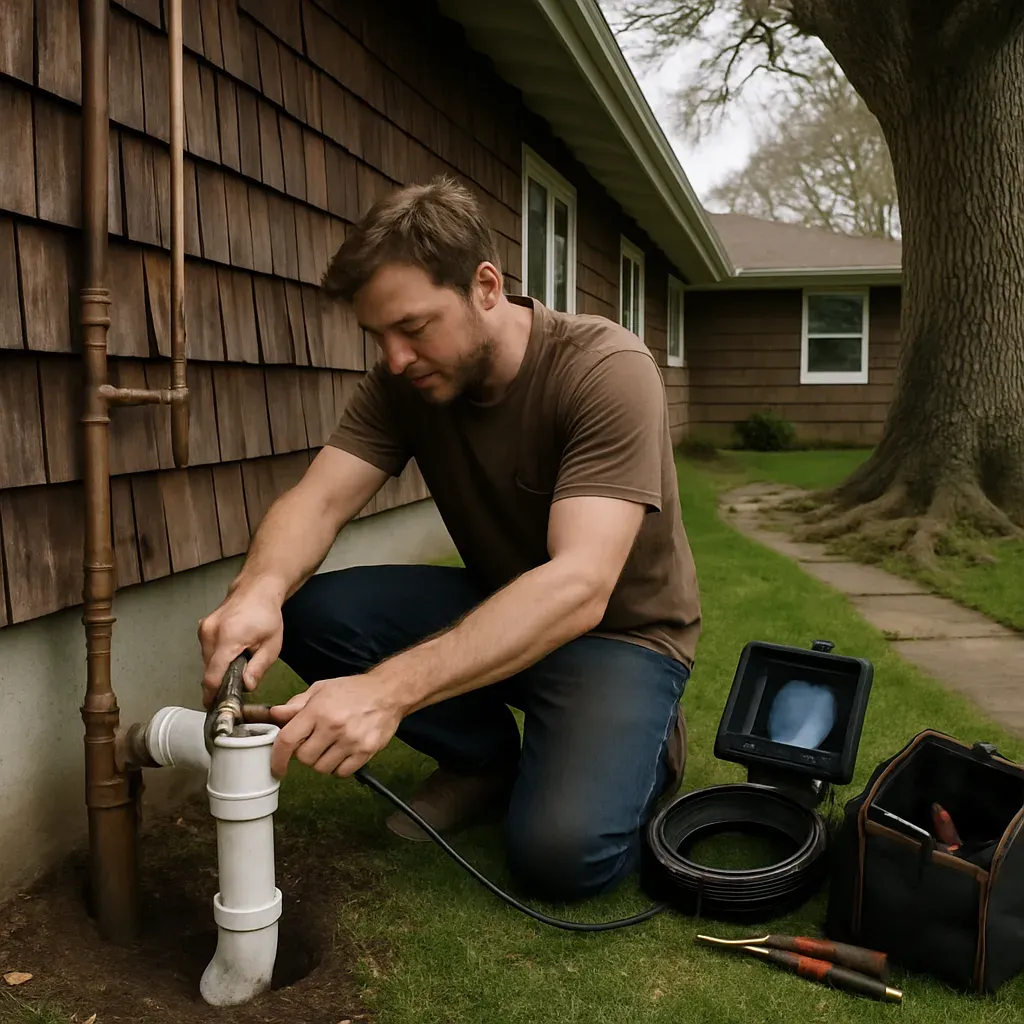
Most of the single-family homes surrounding Knollwood Park were built on generous quarter-acre lots, and the landscaping has had 40 to 60 years to mature. Large oaks, maples, and ornamental trees look great from the street, but their root systems often grow directly toward the moisture and nutrients found in clay or cast-iron sewer lines. Over time, roots find hairline cracks or joint seams in the pipe and work their way inside, restricting flow and eventually causing backups. This is one of the most common reasons homeowners in this pocket of Sandy call for drain service, and it usually shows up as slow-draining tubs, gurgling toilets, or recurring backups in the lowest fixture in the house.
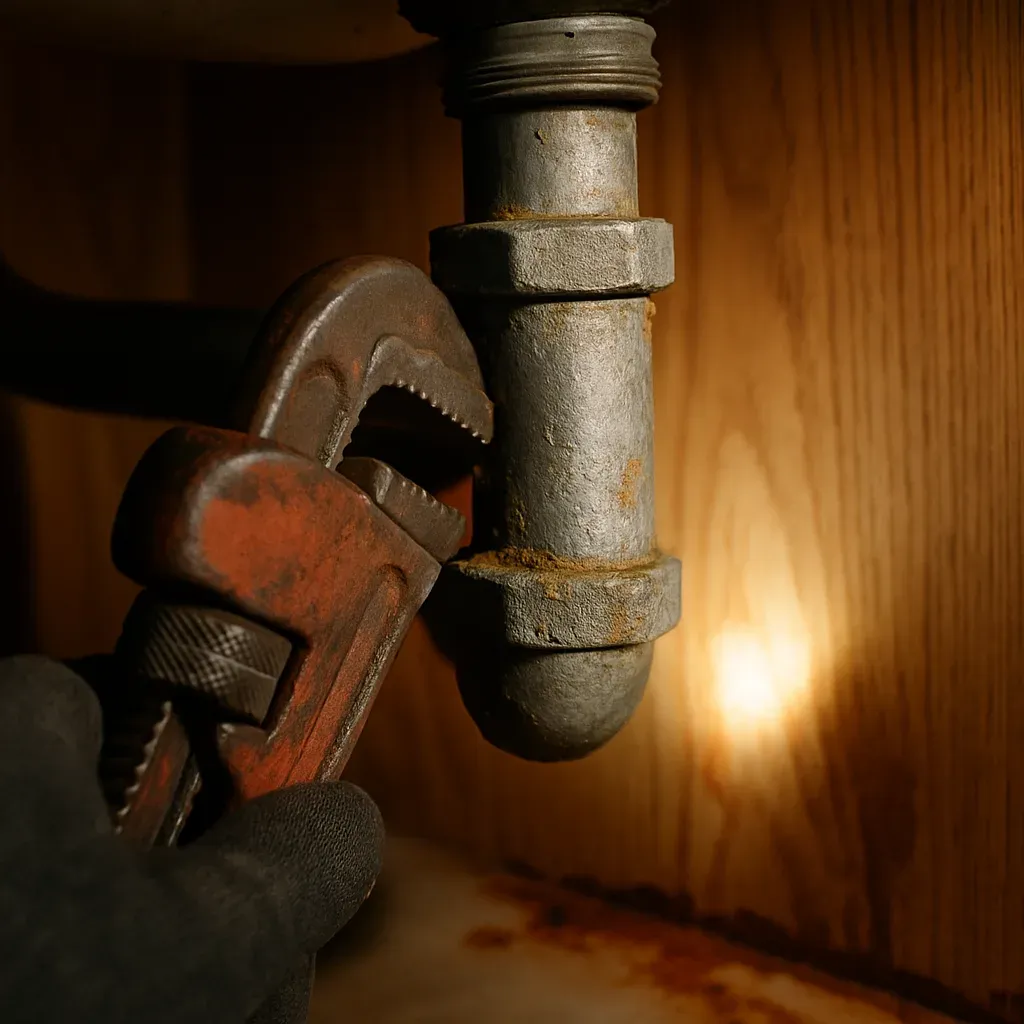
Because many of these homes predate the widespread adoption of PEX piping, it is still common to find galvanized steel or copper supply lines behind the walls. Galvanized pipe corrodes from the inside out, gradually narrowing the interior diameter and reducing water pressure throughout the house. Copper holds up better but can develop pinhole leaks after decades of mineral-rich water exposure, particularly in homes that have never had a whole-house filtration system installed. Recognizing which material is in a home helps a plumber decide whether a targeted repair will hold up or whether a broader repipe makes more financial sense over the next several years.
Slab leaks and slow drain issues also appear more frequently in homes from this construction era. Foundations poured decades ago sometimes shift slightly over time, putting stress on the water lines embedded in or under the slab. A small leak in one of these lines can go unnoticed for months, showing up only as a higher water bill, a warm spot on the floor, or a faint sound of running water when everything is off. Catching these early with proper leak detection equipment saves homeowners from more invasive slab repairs down the road.
- Fixture replacement for aging faucets, valves, and toilets original to the home
- Water line repair or replacement where galvanized or corroded copper pipe is restricting flow
- Drain clearing and root removal tied to mature trees near the sewer lateral
- Slab leak detection and repair for homes showing water bill spikes or warm floor spots
- Camera inspections of older sewer lines to assess overall condition before problems worsen
For homeowners near the park, the most practical approach is proactive: a camera inspection every few years can catch root intrusion before it causes a full backup, and knowing what type of pipe runs through the house helps set realistic expectations for future repairs.
Knollwood Park
How Our Team Reaches the Knollwood Park Area
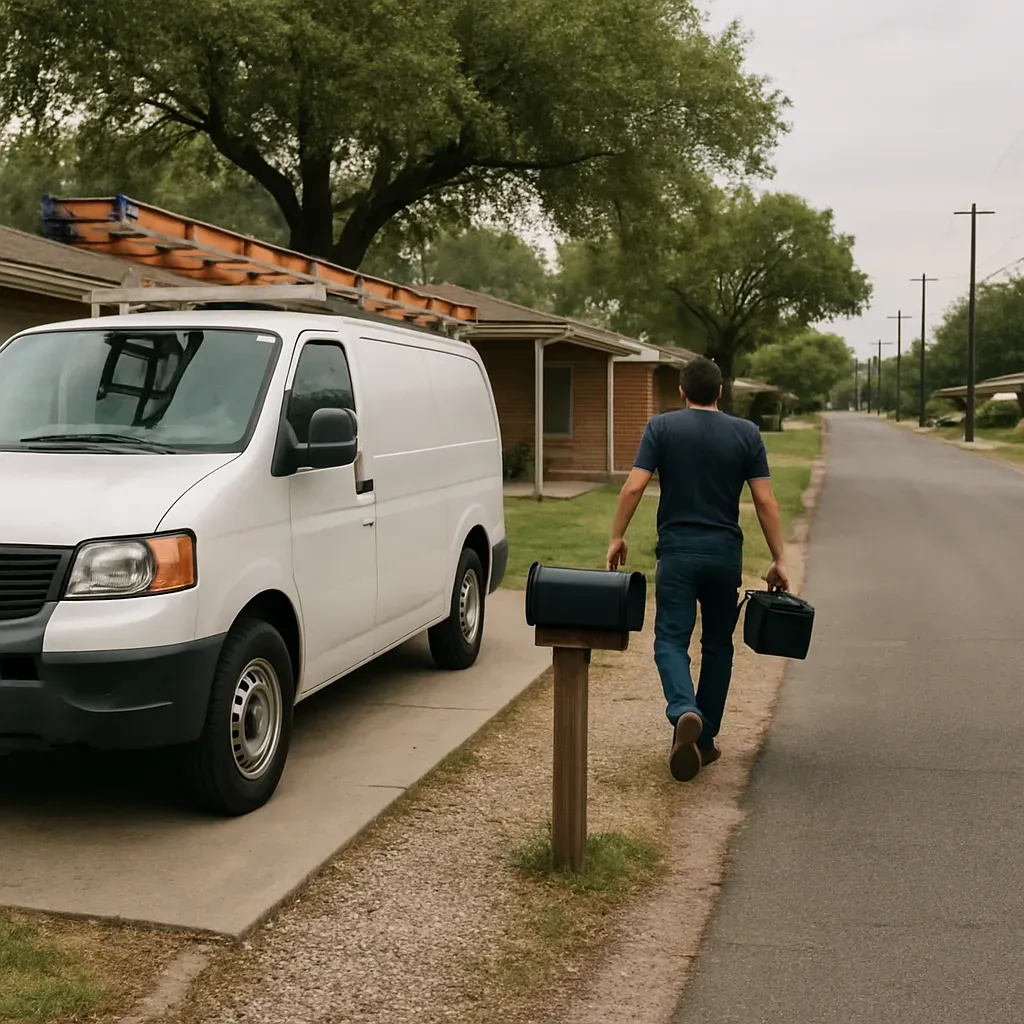
Knollwood Park sits tucked into one of Sandy's quieter residential pockets, and getting a service vehicle there efficiently is part of our daily routine rather than a special trip. Our team operates out of a local Sandy base, which means we're not dispatching from Portland or Gresham and hoping traffic cooperates. From our side of Sandy, the route runs through familiar streets before connecting to the residential grid that surrounds the park, keeping the drive predictable most hours of the day.
- From our Sandy, Oregon service base, head toward Highway 26 and take the Bluff Road or Ten Eyck Road exit depending on current routing, then follow local connector streets into the Knollwood Park neighborhood.
- Normal drive time from our side of Sandy to Knollwood Park is short, usually just a matter of minutes under typical daytime traffic.
- During Highway 26 rush hour windows, expect a slightly longer trip as commuter traffic backs up near the main interchanges; we build this buffer into our scheduling so appointment windows stay realistic.
- Once on site, our techs are accustomed to working around narrow residential driveways and the mature trees common on Knollwood Park area lots, positioning trucks and equipment carts accordingly.
- Street parking is typically available on the quiet side streets near the park, giving our crews easy, legal access without blocking neighbors' driveways.
The Knollwood Park neighborhood has a distinct residential character that shapes how we approach every job here. Many of these homes were built decades ago on lots with substantial tree canopy, which means driveways are often narrower and curve more sharply than in newer Sandy subdivisions. Our technicians know to scout the approach before backing in a service van, and they carry shorter hose lengths and compact equipment dollies specifically because they've learned these streets don't always accommodate full-size trailer rigs comfortably.
Traffic timing matters more than distance when it comes to reliability. Because Highway 26 is the primary east-west corridor through this part of Sandy, morning and late-afternoon commute periods can add extra minutes to any trip that touches the highway, even for a short overall distance. We factor this into how we schedule Knollwood Park calls, favoring midday and early afternoon slots for time-sensitive repairs whenever a customer's situation allows, so a technician arrives within the promised window rather than stuck at a signal.
Parking near the park itself is rarely a problem. The side streets bordering Knollwood Park tend to be low-traffic and residential, with enough open curb space for our vans without crowding driveways or blocking sightlines for neighbors backing out. That small logistical detail, knowing where to park before a job even starts, is part of why our crews move efficiently once they're on your property.
Knollwood Park
Inside the Knollwood Park Neighborhood: Homes and History
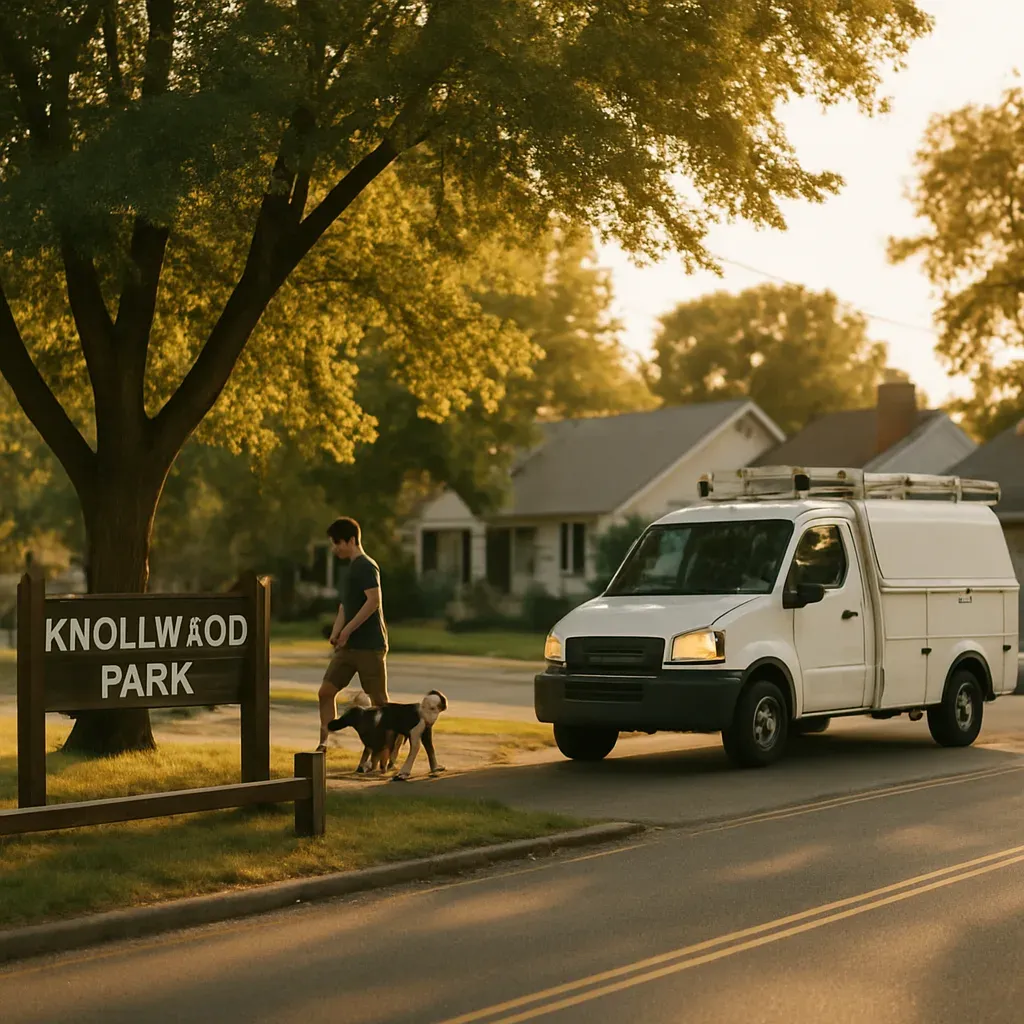
Knollwood Park itself is modest in size, but it plays an outsized role in the identity of the neighborhood that surrounds it. The small green space serves as a gathering point for the streets radiating outward, giving the area a settled, close-knit feel that's noticeably different from Sandy's newer subdivisions. Walk a few blocks in any direction from the park and you'll find mature trees, established landscaping, and homes that have clearly been cared for by the same families for years.
That long-term ownership pattern matters more than most homeowners realize. Because the majority of houses ringing the park are owner-occupied rather than rental properties, plumbing issues tend to get addressed thoughtfully rather than patched over quickly and cheaply. At the same time, many of these owners have lived in their homes for decades, which means original plumbing fixtures, galvanized supply lines, and aging water heaters are still common sights in kitchens and bathrooms throughout the neighborhood.
- Original cast iron or galvanized steel pipes are still present in many Knollwood Park area homes, increasing the risk of corrosion and reduced water pressure over time.
- Older single-basin kitchen sinks and low-flow original fixtures were built to different plumbing codes than today’s standards, sometimes complicating repairs or replacements.
- Bathroom plumbing in these homes often predates modern shutoff valve placement, meaning a simple fixture swap can turn into a bigger job without the right expertise.
- A handful of properties on the outer edges of the neighborhood still operate on private well and septic systems rather than connecting to Sandy's municipal water and sewer lines.
That last point is worth dwelling on. Well and septic systems are far less common as you move closer to downtown Sandy, where municipal infrastructure has been in place for generations. But on the fringes of the Knollwood Park neighborhood, a small number of homes were built before city utility lines extended that far, and they've never been converted. For those homeowners, plumbing service means something different: septic tank inspections, well pump troubleshooting, and water quality concerns that a typical municipal-only plumber may not encounter regularly.
This mix of decades-old fixtures and occasional private water systems means a plumber working in the Knollwood Park area needs a broader skill set than one serving only newer neighborhoods. Diagnosing a pressure problem might involve checking a well pump instead of just the street-side shutoff. Replacing a leaking faucet might require sourcing parts that match a fixture installed thirty or forty years ago. Homeowners here benefit most from a plumber who has worked on houses of this era and understands both the charm and the quirks that come with them.
Common Questions
Frequently Asked Questions
How fast can a plumber reach my home near Knollwood Park?
+
We usually reach Knollwood Park homes in just minutes since we're based locally in Sandy, not Portland or Gresham. During Highway 26 rush hour, trips can take a bit longer, so we build that buffer into scheduling. Midday appointments tend to run the most on time.
Why do I keep getting drain backups in my Knollwood Park home?
+
Tree roots are the most common cause. Homes near Knollwood Park sit on older lots with 40 to 60 years of mature tree growth, and roots often invade clay or cast-iron sewer lines. This shows up as slow drains, gurgling toilets, or repeated backups in your lowest fixture.
Will your crew have trouble parking or accessing my driveway near the park?
+
No, access is rarely an issue. Streets near Knollwood Park are quiet and residential, giving our vans plenty of legal curb space. Driveways here are often narrower with sharper curves due to mature trees, so our techs scout the approach and use compact equipment before backing in.
Need Plumbing Help?
Get Help Today from
Bigfoot Plumbing
Trusted plumbing for Sandy, Oregon and the surrounding Pacific Northwest. Honest pricing, dependable service, and a team that treats your home like family.
10% Off for Veterans · First Responders · Seniors