
Salmon Creek Park
Sewer Line Replacement Near Salmon Creek Park in Sandy
Honest, reliable plumbing for Sandy, Oregon & the surrounding Pacific Northwest.
CCB# 257405
Licensed · Bonded · Insured
20 Yrs
Experience
Family
Owned & Operated
Sandy, OR
Local Crew
What's Covered on This Page
- How Older Single-Family Homes Handle Sewer Line Failures
- How Our Team Reaches the Salmon Creek Park Area
- What Makes Salmon Creek Park Neighborhood Sewer Lines Different
- How fast can you get to a home near Salmon Creek Park for a sewer line problem?
- Why do sewer lines near Salmon Creek Park fail so often from tree roots?
- Will my sloped yard near Salmon Creek Park make sewer line access harder?
Need Sewer Line Replacement Near Salmon Creek Park in Sandy?
Salmon Creek Park
How Older Single-Family Homes Handle Sewer Line Failures
The single-family lots surrounding Salmon Creek Park were largely developed decades before modern plastic piping became standard, which means many original sewer laterals are still made of clay tile or cast iron. These materials were durable for their era but were never designed to last indefinitely underground. Over 40 to 60 years, soil movement, freeze-thaw cycles, and simple material fatigue take a toll on these pipes, setting the stage for the failures homeowners in this area now encounter.
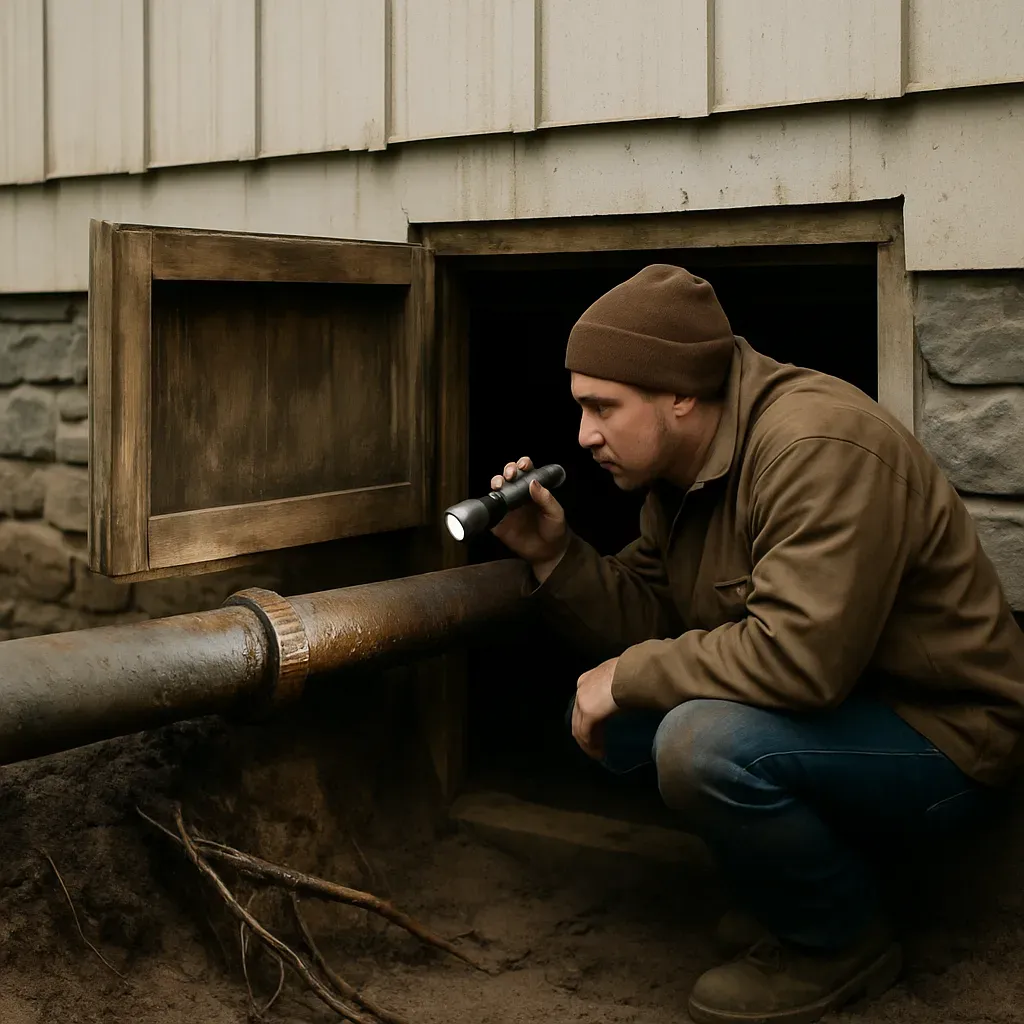
Clay pipe is brittle by nature and tends to crack at the joints where sections were originally sealed with mortar or oakum. Once a joint separates or a hairline crack forms, soil and groundwater begin to intrude, and the pipe gradually loses its structural integrity. Cast iron, common in slightly newer homes from the same era, faces a different problem: interior corrosion. As the iron rusts from the inside out, the pipe wall thins, scale builds up, and the diameter effectively shrinks, slowing drainage long before a full collapse occurs.
The wooded edge of Salmon Creek Park adds another layer of risk. Mature trees send roots searching for moisture, and an aging clay or cast iron line with even a small crack or loose joint is an easy target. Roots exploit these openings, growing inside the pipe and expanding until they choke off flow entirely. Homes on lots backing up to the tree line are especially prone to this issue, sometimes needing root-related service more than once before a full replacement becomes the practical solution.
- Crawl-space homes typically allow easier access to under-floor plumbing, which can reduce excavation needs near the foundation
- Slab-on-grade homes often require cutting through concrete or rerouting the line around the slab entirely, adding time and cost
- Yards with mature trees near the property line usually need root barriers or pipe rerouting to prevent repeat intrusion
- Older homes may have shorter, more direct lateral runs, which can simplify trenchless replacement in the right soil conditions
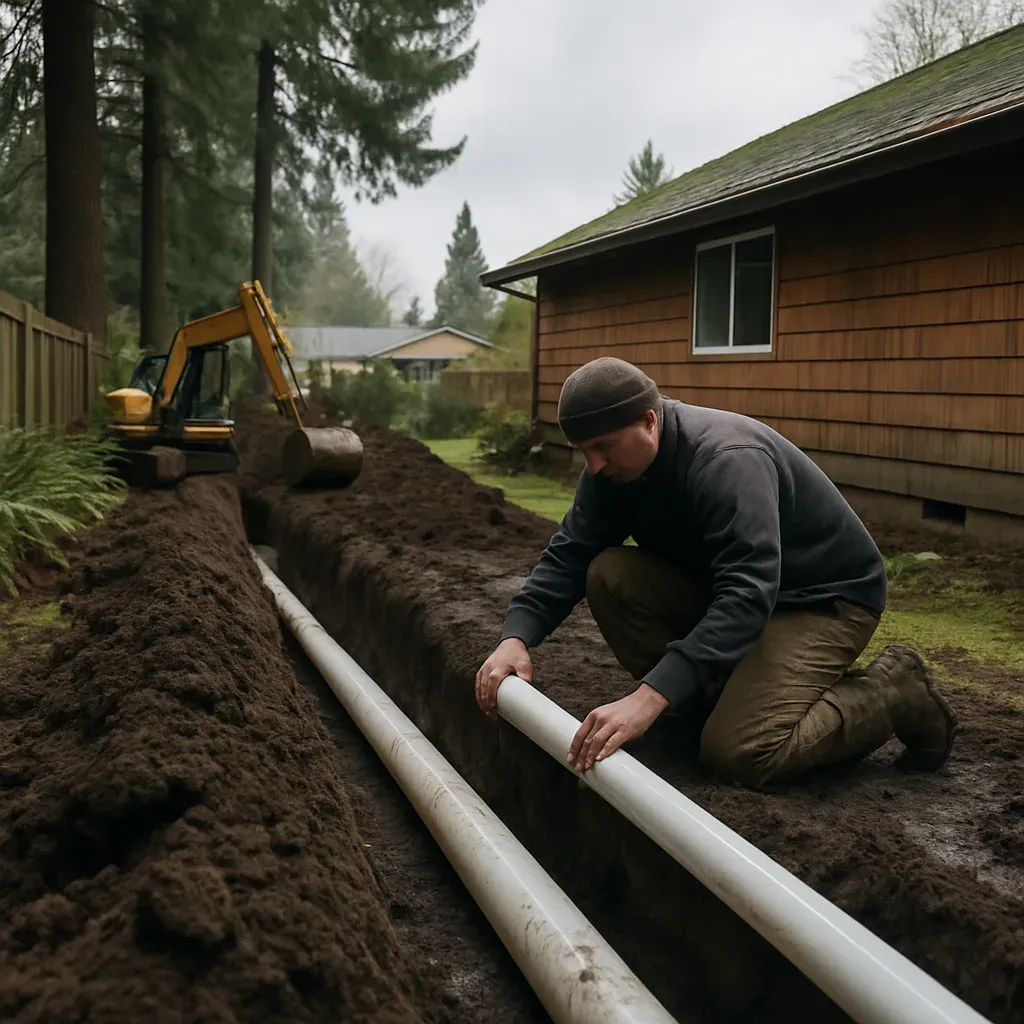
A recent example illustrates how these factors combine. A homeowner on a lot bordering the park's wooded section noticed slow-draining tubs and a gurgling toilet that eventually turned into a full backup. A camera inspection traced the blockage to a cracked clay joint about 15 feet from the house, where tree roots from the park's edge had grown directly into the pipe. Because the home had a crawl space, the crew was able to access the line without disturbing interior flooring, and the damaged section was replaced with modern PVC along with a root barrier to reduce the chance of recurrence.
Salmon Creek Park
How Our Team Reaches the Salmon Creek Park Area
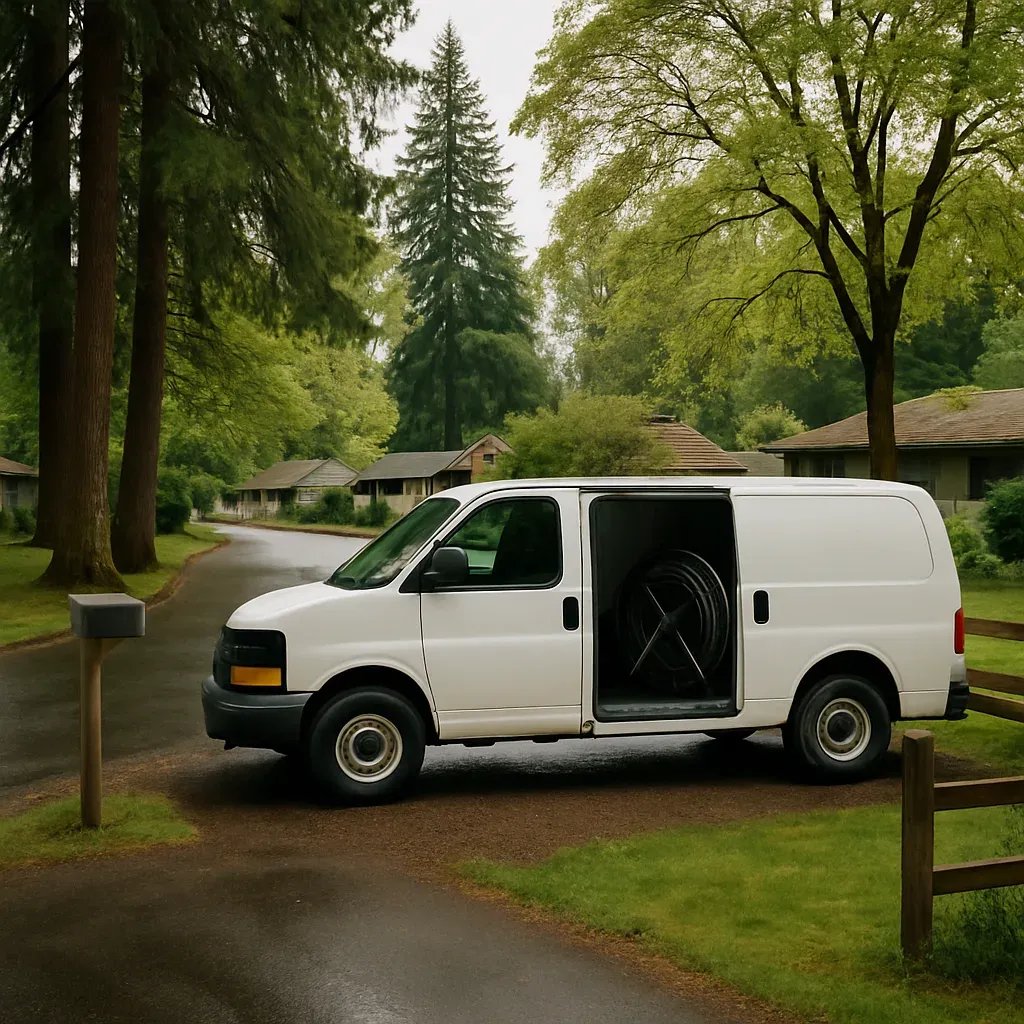
Getting a sewer line replacement crew to your door quickly matters, especially when a backup or collapsed pipe is causing problems in your yard. From our home base in Sandy, our trucks head out along Highway 26 before cutting over to the local arterials that feed into the Salmon Creek Park neighborhood. The most direct route takes us through Bluff Road and Ten Eyck Road, then onto the residential streets that border the park itself, putting us in your driveway in roughly 10 to 12 minutes under normal traffic conditions.
- Head out from our Sandy base and merge onto Highway 26 toward the Salmon Creek Park corridor
- Exit onto Bluff Road and continue past the main intersection near Ten Eyck Road
- Turn onto the residential streets bordering Salmon Creek Park to reach homes on either side of the greenway
- Arrive at the job site with full excavation equipment, typically within 10 to 12 minutes from dispatch
That drive time can stretch to 18 or even 20 minutes during the morning and afternoon rush, particularly when traffic backs up along Highway 26 near the main Sandy interchange. We build this buffer into our scheduling so that a slightly longer commute never turns into a missed appointment window. When you call for an estimate, we factor in the time of day and let you know realistically when to expect our crew and equipment on site.
The streets surrounding Salmon Creek Park are generally wide enough to accommodate our excavation trucks, mini-excavators, and trailer-mounted equipment without blocking traffic flow. Many of the park-adjacent blocks offer open curb space or shoulder parking, which gives our team room to stage pipe materials, spoil containment, and safety cones away from the roadway. We always coordinate with homeowners ahead of time to confirm the spot to park heavy equipment, particularly on narrower cul-de-sacs closer to the park entrance.
Homes bordering Salmon Creek Park sometimes have unique access considerations, including shared driveways, sloped yards leading down toward the park boundary, or mature landscaping close to the sewer lateral. Our crews walk the property before any digging begins to map out the safest path for equipment, protect fencing or irrigation lines, and minimize disruption to lawns and garden beds. If your driveway is shared with a neighbor or your yard has limited side access, we plan the excavation route in advance so the job moves efficiently without unnecessary property damage.
Salmon Creek Park
What Makes Salmon Creek Park Neighborhood Sewer Lines Different
Sewer lines near Salmon Creek Park face a different set of pressures than pipes running under a typical Sandy subdivision. The park's wooded, creek-adjacent setting means mature trees line many of the surrounding yards and parkways, and their root systems are drawn straight toward the moisture and nutrients inside clay or aging PVC sewer laterals. Root intrusion is one of the most common reasons we get called out in this specific area, and it tends to recur faster here than in neighborhoods with fewer trees, simply because the creek keeps the soil consistently damp and appealing to root growth.
The housing stock adds another layer of complexity. This part of Sandy is a genuine mix of original ranch-style homes built decades ago and newer infill construction squeezed onto adjacent or subdivided lots. Older ranch homes often still have their original clay or Orangeburg piping, which is brittle, prone to offset joints, and a magnet for root intrusion. Newer infill homes, by contrast, usually tie into more modern PVC lines but sometimes share easements or older tap connections with neighboring older properties, which can complicate diagnosis when a problem shows up. Knowing which era of pipe you're dealing with, and how it connects to the surrounding system, is a key first step before any replacement work begins.
Proximity to the creek also raises the local water table, particularly during wetter months. A higher water table changes how deep a crew can safely trench and how much shoring and dewatering work is needed to keep a trench stable during replacement. In some cases this pushes contractors toward trenchless replacement methods instead of traditional open trenching, both to reduce disruption to the yard and to avoid the extra time and cost of managing groundwater intrusion mid-project. Homeowners near the park should expect this factor to be part of any serious quote or site assessment.
Finally, Sandy's seasonal rain patterns hit this low-lying, creek-side area harder than higher, better-drained parts of town. Saturated soil expands and shifts more than dry soil, and that movement puts extra stress on pipes that already have small cracks or minor root intrusion. What might sit quietly as a minor issue during a dry summer can turn into a backed-up line or a collapsed section once fall and winter rains soak the ground. This seasonal pattern is why we recommend homeowners near Salmon Creek Park get any slow drains, gurgling toilets, or damp yard patches checked out before the rainy season fully sets in, rather than waiting until a backup forces the issue.
- Tree roots from the park's mature canopy frequently target aging clay and Orangeburg pipe joints
- Mixed home ages mean pipe material and connection points vary block to block
- Higher water table near the creek often favors trenchless replacement over open trenching
- Wet-season soil saturation accelerates small cracks into full pipe failures
Common Questions
Frequently Asked Questions
How fast can you get to a home near Salmon Creek Park for a sewer line problem?
+
We typically reach homes near Salmon Creek Park in 10 to 12 minutes from our base in Sandy. Our trucks take Highway 26 to Bluff Road and Ten Eyck Road, then straight into the neighborhood. During rush hour, that drive can stretch to 18 or 20 minutes, so we build extra time into your scheduling window.
Why do sewer lines near Salmon Creek Park fail so often from tree roots?
+
The mature trees lining Salmon Creek Park send roots searching for moisture, and older clay or cast iron pipes are easy targets. Even a small crack or loose joint lets roots grow inside the line and choke off flow. Homes backing up to the wooded tree line see this issue more than other Sandy properties.
Will my sloped yard near Salmon Creek Park make sewer line access harder?
+
It might, but our crew plans around it. Many homes bordering Salmon Creek Park have sloped yards, shared driveways, or landscaping close to the sewer lateral. We walk your property before digging to map the safest equipment path and protect fencing, irrigation, and garden beds along the way.
Need Plumbing Help?
Get Help Today from
Bigfoot Plumbing
Trusted plumbing for Sandy, Oregon and the surrounding Pacific Northwest. Honest pricing, dependable service, and a team that treats your home like family.
10% Off for Veterans · First Responders · Seniors