
Sandy Public Library
Water Heater Repair Near Sandy Public Library in Sandy
Honest, reliable plumbing for Sandy, Oregon & the surrounding Pacific Northwest.
CCB# 257405
Licensed · Bonded · Insured
20 Yrs
Experience
Family
Owned & Operated
Sandy, OR
Local Crew
What's Covered on This Page
- How Newer Single-Family Homes Handle Water Heater Problems
- How Our Team Reaches the Sandy Public Library Area
- What Makes Homes Near Sandy Public Library Unique
- How fast can you get to my home near Sandy Public Library?
- Why do so many homes near Sandy Public Library need water heater repairs?
- Will parking or access be a problem for repairs near Sandy Public Library?
Need Water Heater Repair Near Sandy Public Library?
Sandy Public Library
How Newer Single-Family Homes Handle Water Heater Problems
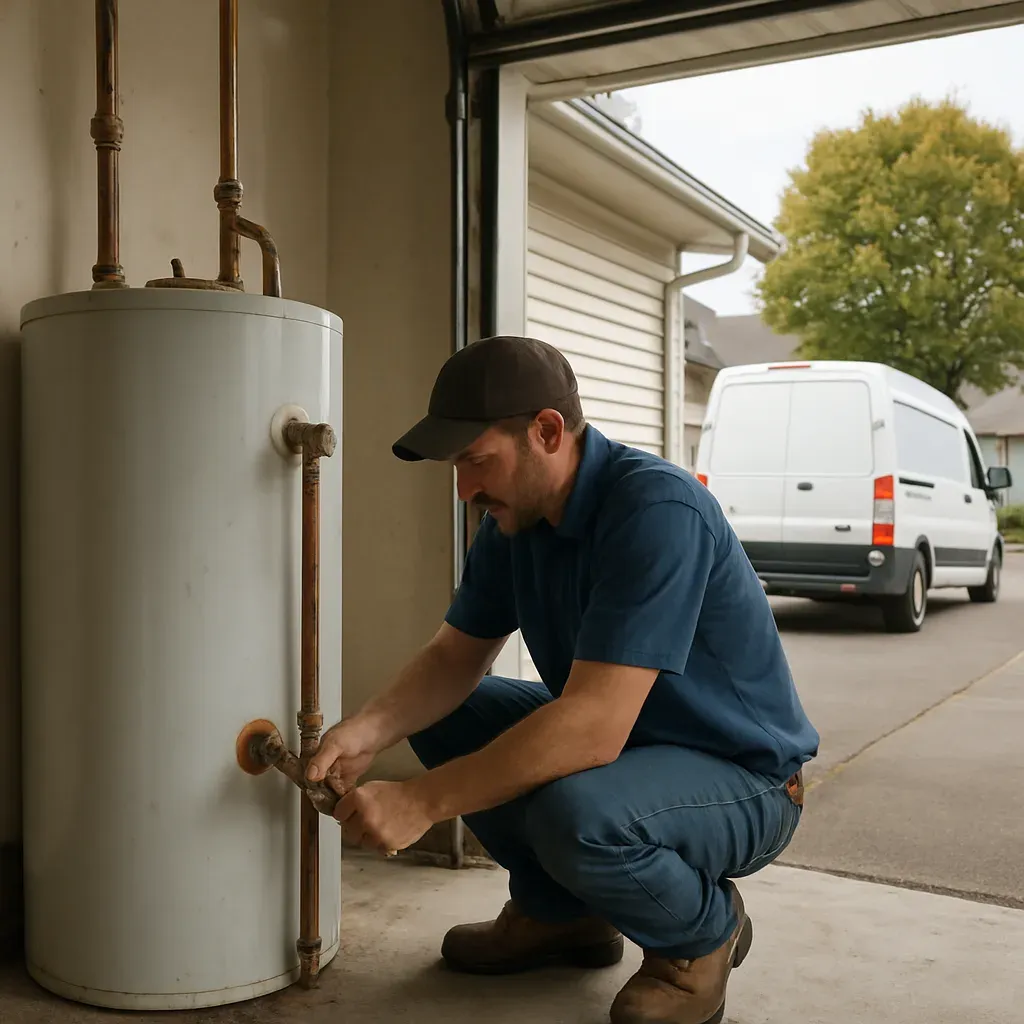
The Census tract surrounding Sandy Public Library is defined by single-family, owner-occupied homes built in a tight window around 1990. This matters more than it might seem for water heater service. A water heater installed when these homes were framed and finished would have been replaced once, maybe twice, under normal circumstances. Instead, many of these units are either the original tank or a same-era replacement that has quietly aged well past its 8 to 12 year design life. That gap between expected lifespan and actual age is exactly why technicians see so many service calls from this specific pocket of Sandy.
Because these are owner-occupied households rather than rental properties, the repair pattern looks different than in transient housing. Owners here tend to want a proper diagnosis and a lasting fix rather than a five-minute patch job meant to get by until the next tenant turns over. That means more thorough inspections, more willingness to replace a failing anode rod or pressure relief valve outright, and more interest in understanding whether a repair extends the unit's life or just delays an inevitable full replacement.
The specific problems reported near the library follow a predictable pattern tied to unit age. Sediment buildup is common in homes on Sandy's water supply, especially in tanks that have never been flushed in three decades of service. That sediment layer insulates the burner from the water above it, causing longer heating times and popping or rumbling sounds. Failing pressure relief valves show up often too, sometimes leaking small amounts of water at the overflow pipe, a sign the valve needs replacement before it fails to do its job during a pressure spike. Inconsistent hot water, where a shower runs warm then suddenly cold, is another frequent complaint tied to a heating element or thermostat nearing the end of its service life inside an original 1990s-era tank.
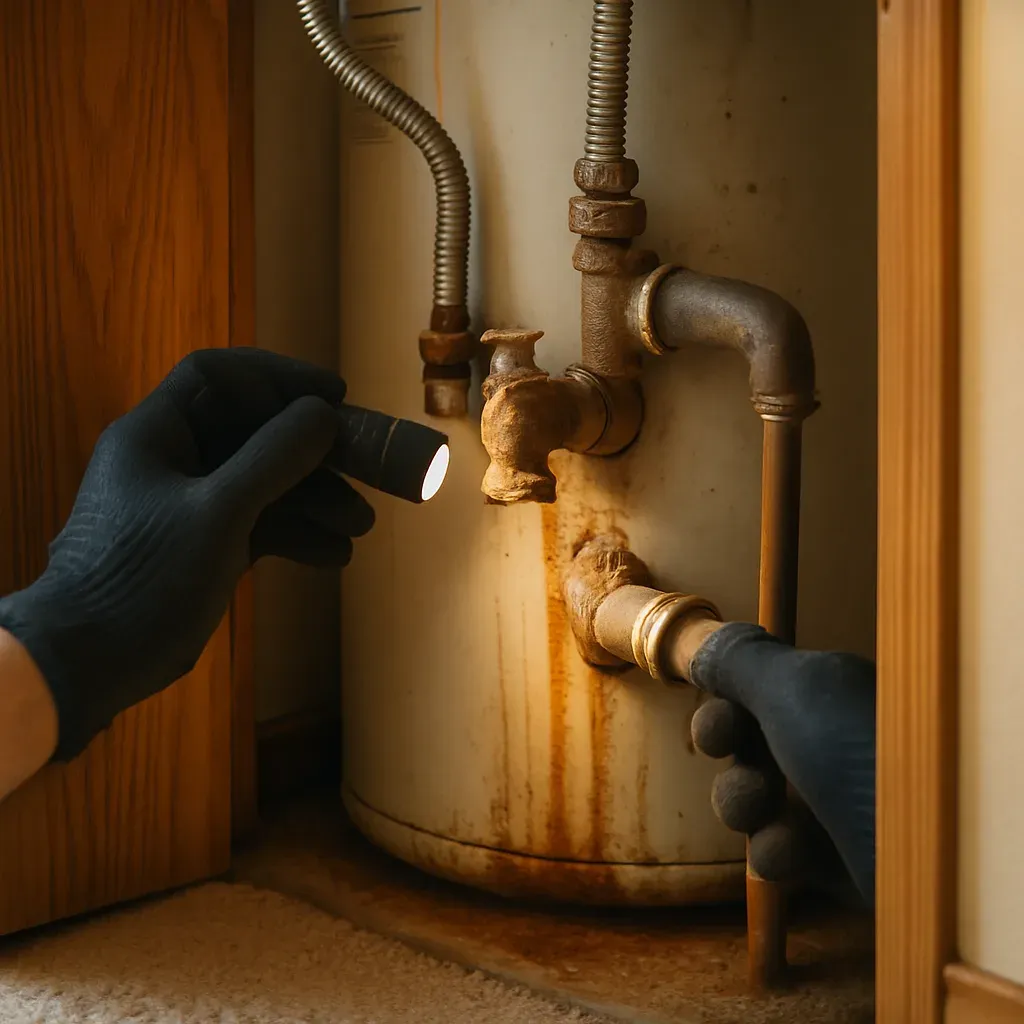
Picture a homeowner a few blocks from the library who turns on the tap one morning and sees rusty, discolored water, or who keeps relighting a pilot light that refuses to stay lit. Both are classic symptoms of a tank that is corroding from the inside or a thermocouple that has worn out after years of continuous use. In a home this age, these aren't isolated glitches; they're strong signals that the water heater is reaching the end of its usable life and needs a professional evaluation rather than a temporary workaround.
- Rusty or discolored hot water often points to internal tank corrosion in units original to 1990s construction
- A pilot light that won't stay lit usually means a failing thermocouple or gas control valve
- Rumbling or popping sounds signal sediment buildup that reduces efficiency and heating speed
- Water pooling near the overflow pipe suggests a pressure relief valve nearing failure
- Fluctuating water temperature can indicate a worn heating element or thermostat
Sandy Public Library
How Our Team Reaches the Sandy Public Library Area
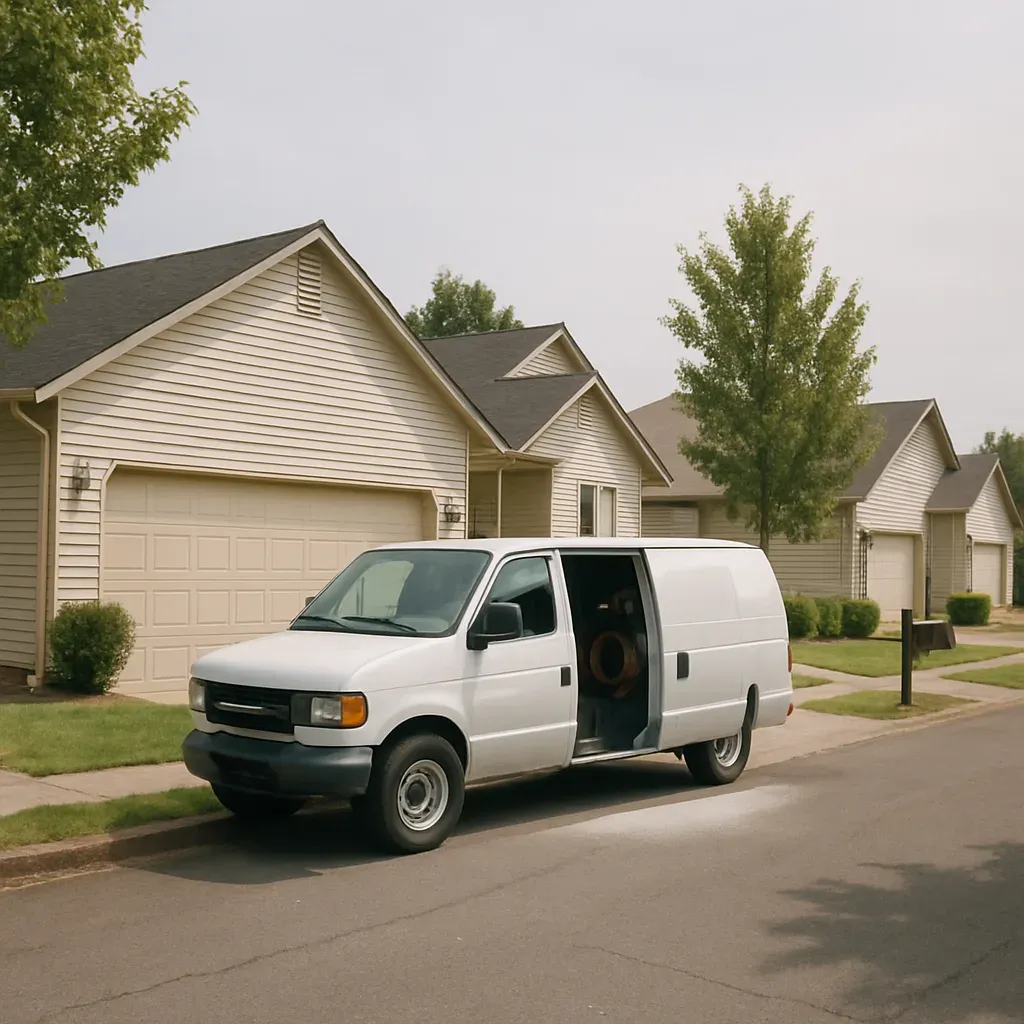
Bigfoot Plumbing is based less than a mile from Sandy Public Library, just a few minutes away by road. This tight geographic overlap means that when a water heater fails in a home near the library, our technicians aren't crossing town or working unfamiliar routes to get there. They are already close by, which matters when a household is dealing with cold showers, a leaking tank, or no hot water at all.
Because we work out of this same corner of Sandy, our technicians can respond quickly to nearby homes even during the busiest stretches of the day. Late afternoon service calls, early morning emergencies, and weekend requests all benefit from this proximity. There is no need to factor in extra buffer time for traffic congestion or long commutes across town, since the starting point for most jobs in this area is already just around the corner.
The route from our side of Sandy to the library runs along Proctor Boulevard and the residential streets branching off it, a short drive our technicians know by heart after countless service calls throughout the surrounding neighborhoods.
Once a technician arrives in the area, the library itself becomes a practical landmark for navigation. Side streets, driveways, and less obvious turnoffs near the library are easier to locate when using the building as a reference point. This is especially helpful in residential pockets where street signage can be inconsistent or where a driveway sits tucked behind landscaping. Techs familiar with the library's location can quickly orient themselves and head straight to the correct address without circling the block or relying solely on GPS, which can sometimes lag or misdirect in this part of Sandy.
For homeowners living around Sandy Public Library, this easy access translates directly into less downtime. A shorter drive for the technician means a shorter wait for the homeowner, and when the issue involves a leaking tank, a failed heating element, or a pilot light that won't stay lit, every minute without hot water counts. Being close by allows our team to diagnose the problem, source any needed parts, and get the repair underway faster than if we were working from the opposite end of town.
- Minimal drive time to homes near the library, even during peak traffic hours
- Technicians use the library as a landmark to quickly find side streets and hard-to-spot driveways
- Faster arrival means less time spent without hot water for nearby residents
- Local familiarity with the area reduces navigation delays common with GPS-only routing
Sandy Public Library
What Makes Homes Near Sandy Public Library Unique
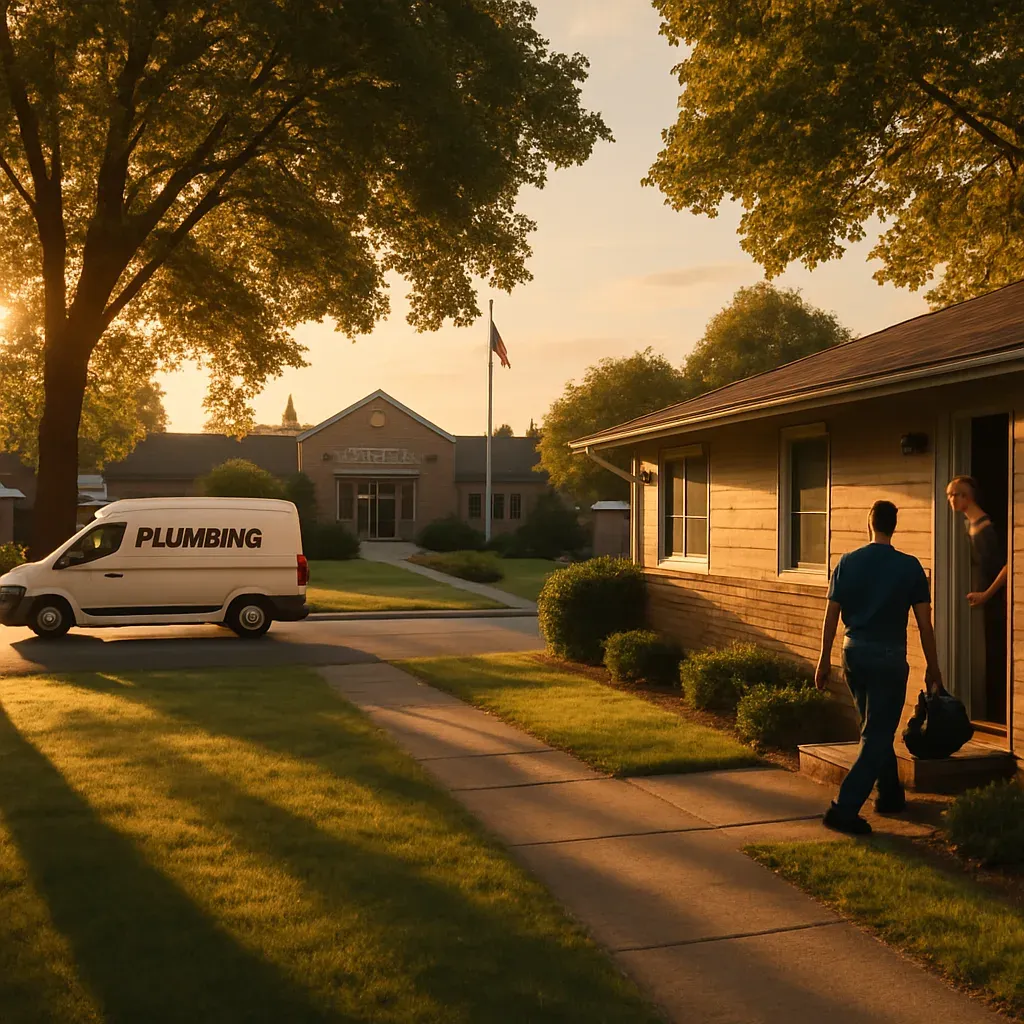
The neighborhood surrounding Sandy Public Library has a housing profile that sets it apart from many other pockets of Sandy. Most homes here were built in the early 1990s, which means the plumbing systems, water lines, and original water heater installations are now well past their expected service life. A tank installed when these homes were new would be on its third or fourth replacement by now, and even more recently updated units are likely approaching the 10 to 15 year mark where repairs become more frequent and more consequential.
Ownership patterns also shape how repair work gets handled in this area. Roughly three out of four homes near the library are single-family properties occupied by their owners rather than renters. That distinction matters because owner-occupants tend to make faster, more direct decisions about repair scheduling and vendor selection. There is no property management layer to slow down approvals, but there is also a stronger expectation that a technician will explain the problem clearly, since the person paying for the repair is also the person living with the outcome.
Home values in the area, often above $430,000, correlate with a noticeable preference for complete, lasting repairs over short-term patches. Owners in this price bracket are generally less interested in a temporary fix that buys a few extra months and more interested in solving the underlying issue, whether that means replacing a failing thermostat, flushing years of sediment buildup, or recommending full replacement when a tank is clearly at the end of its life.
The population near the library also skews younger, with a median age in the mid-30s. That often translates into growing households with children, which places heavier daily demand on hot water systems than an older, smaller household would generate. Back-to-back showers, laundry, and dishwashing cycles put extra strain on aging units, and it is common for these households to notice problems like inconsistent temperature or slower recovery time well before a tank fails completely.
- Early 1990s construction means original plumbing and electrical setups may not match current code, affecting repair complexity
- High owner-occupancy rate leads to faster repair approvals and stronger interest in transparent explanations
- Above-average home values support a preference for full repairs and quality parts over quick patches
- Younger, growing families create higher daily hot water demand and less tolerance for downtime
- Combined, these factors produce a repair pattern focused on durability and long-term reliability rather than the cheapest immediate option
Taken together, these traits create a repair pattern that differs from what you'd see in older, denser sections of Sandy or in newer developments with different ownership structures. Technicians familiar with this specific area tend to anticipate age-related wear in original plumbing, plan for higher household usage, and default to solutions built to last rather than stopgap measures.
Common Questions
Frequently Asked Questions
How fast can you get to my home near Sandy Public Library?
+
Very fast. We are based less than a mile from Sandy Public Library, so we are not losing time crossing town when your water heater fails. Homes near the library get quick visits, even during busy afternoons or weekend calls, so you spend less time without hot water.
Why do so many homes near Sandy Public Library need water heater repairs?
+
Most homes near the library were built around 1990. That means many original water heaters are now over 30 years old, way past their normal 8 to 12 year lifespan. This age leads to common problems like sediment buildup, failing pressure relief valves, and rusty water. If your home is from that era, your tank may be due for a checkup.
Will parking or access be a problem for repairs near Sandy Public Library?
+
Usually not. Most homes near the library are single-family houses with driveways, since almost three-quarters of properties in this area are detached homes. This makes it easy for our technicians to park and get straight to your water heater without navigating shared entrances or coordinating with other units.
Need Plumbing Help?
Get Help Today from
Bigfoot Plumbing
Trusted plumbing for Sandy, Oregon and the surrounding Pacific Northwest. Honest pricing, dependable service, and a team that treats your home like family.
10% Off for Veterans · First Responders · Seniors